

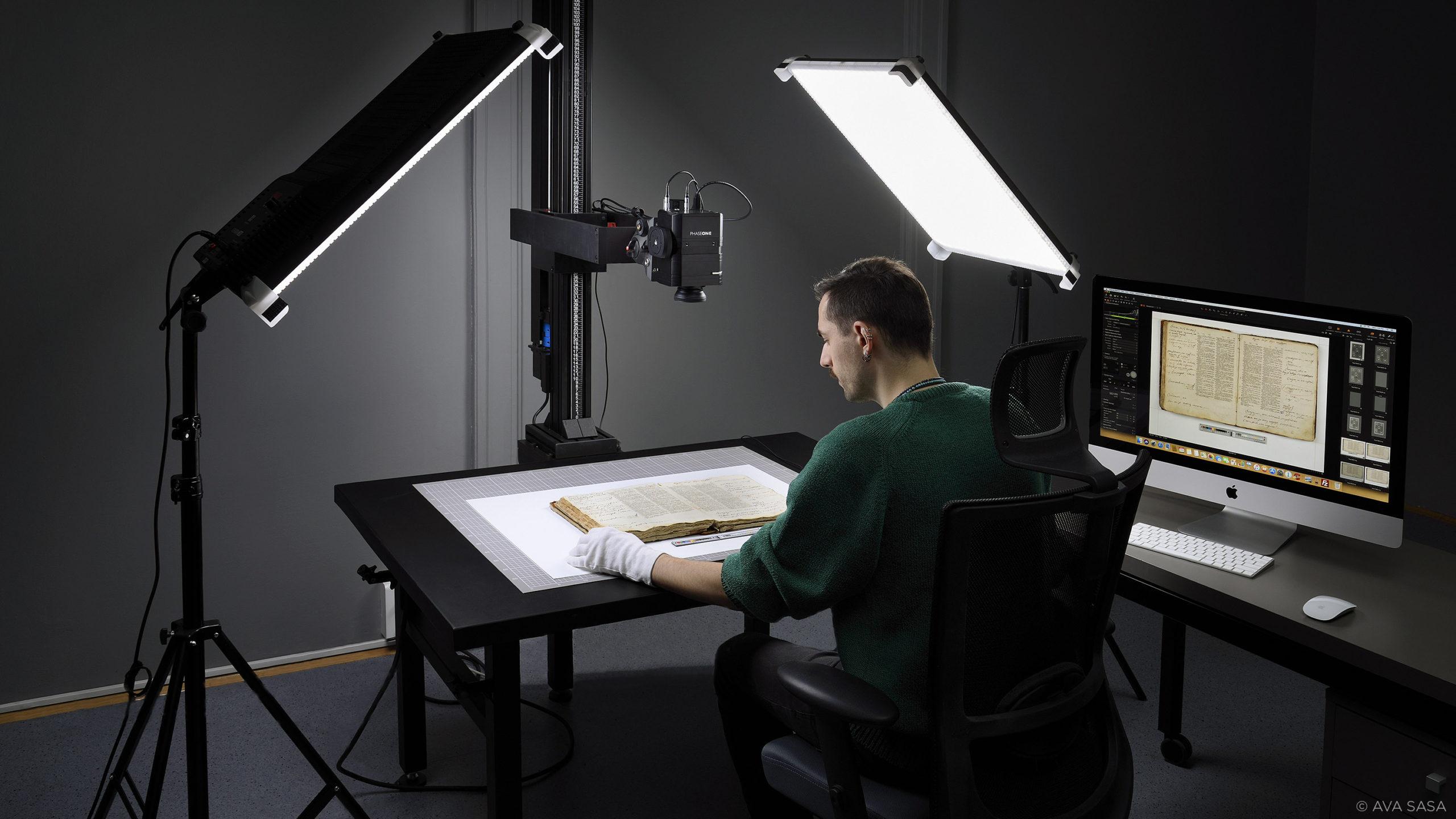
– What are the benefits of using technology in the preservation of cultural heritage?
Unlocking the Past: How High-Definition Heritage Scanners Preserve Our Cultural Treasures for Future Generations
The rapid advancement of technology has granted us an unprecedented ability to archive, document, and preserve the rich tapestries of our cultural heritage. High-definition heritage scanners stand at the forefront of this effort, providing enhanced methods for recording, preserving, and sharing priceless artifacts and heritage sites. In this article, we’ll explore how these innovative scanners work, their benefits, practical applications, case studies, and first-hand experiences that illustrate the transformative power of heritage scanning.
what Are High-Definition Heritage Scanners?
High-definition heritage scanners are specialized imaging devices that capture the intricate details of cultural artifacts and sites in stunning resolution. unlike traditional photography or basic scanning methods, these advanced scanners utilize laser technology, specialized cameras, and advanced image processing software to create high-fidelity, 3D representations of objects.
How Do They Work?
The scanning process generally involves several stages:
- data Acquisition: High-definition scanners capture millions of data points on the surface of an object using laser or camera technology.
- Data Processing: The captured data is processed using software that creates high-resolution digital models or images.
- Preservation: The resulting digital files can be stored securely for future reference,research,and educational purposes.
Benefits of High-Definition heritage Scanners
High-definition heritage scanners offer a plethora of benefits that revolutionize the way we think about cultural preservation:
- Enhanced Detail: Capturing fine details that are often invisible to the naked eye, allowing for in-depth study and analysis.
- Non-Invasive: The scanning process is non-destructive, meaning that artifacts can be preserved while being scanned.
- Accessibility: Digital versions of artifacts can be shared globally, transcending geographical barriers and allowing wider access to cultural treasures.
- Documentation and Archiving: Creating permanent records of artifacts to facilitate future restoration and conservation efforts.
Practical Tips for Using High-Definition Heritage Scanners
If you’re considering implementing high-definition heritage scanners in your preservation efforts, here are some practical tips:
- Choose the Right Scanner: Evaluate the specific needs of your project and select a scanner that meets those criteria.
- train Your Team: Ensure that your team is properly trained in both the operation of the scanner and the software used for processing the data.
- Regular Maintenance: Keep the scanner well-maintained to ensure optimal performance.
- Engage with Communities: Collaborate with local communities and stakeholders to ensure that the cultural meaning of artifacts is understood and preserved.
Case Studies: Success Stories of Heritage Scanning
Several organizations and researchers have made meaningful strides in utilizing high-definition heritage scanning. here are a few remarkable examples:
| Organization | Project | Outcome |
|---|---|---|
| The British Museum | Scanning the Rosetta Stone | Enhanced public access and educational materials |
| Smithsonian Institution | 3D Imaging of Dinosaur Fossils | Advanced research and global collaboration |
| Italian Ministry of Cultural Heritage | Scanning Ancient Ruins | Improved preservation strategies and visitor engagement |
First-Hand Experiences: Voices from the Field
Experts in the field of cultural heritage conservation have recognized the impact that high-definition heritage scanners have on their work. Here’s what a few of them had to say:
“Using high-definition scanners has changed the way we approach artifact conservation. We can create detailed models that guide our restoration processes without risking damage to the original piece.” – Dr. Anna Sorensen, Heritage Conservationist.
“The ability to share high-resolution models of our artifacts online has allowed us to engage a global audience, fostering interest and education in cultural heritage like never before.” – Mr.James Lee, Museum Curator.
The Future of Heritage Preservation
As technology evolves, the capabilities of high-definition heritage scanners are expected to expand even further. The integration of artificial intelligence and machine learning into the scanning process could revolutionize data analysis, enhancing the preservation efforts for the next generation.
Conclusion
High-definition heritage scanners are more than just technological marvels; they are essential tools in the ongoing effort to safeguard our cultural heritage for future generations. Their ability to create detailed, accessible, and non-invasive records of our most cherished artifacts allows us not only to preserve the past but also to educate and inspire future generations. As we look ahead, the partnership between technology and heritage will undoubtedly continue to deepen, unlocking even more opportunities for preservation and understanding.


