

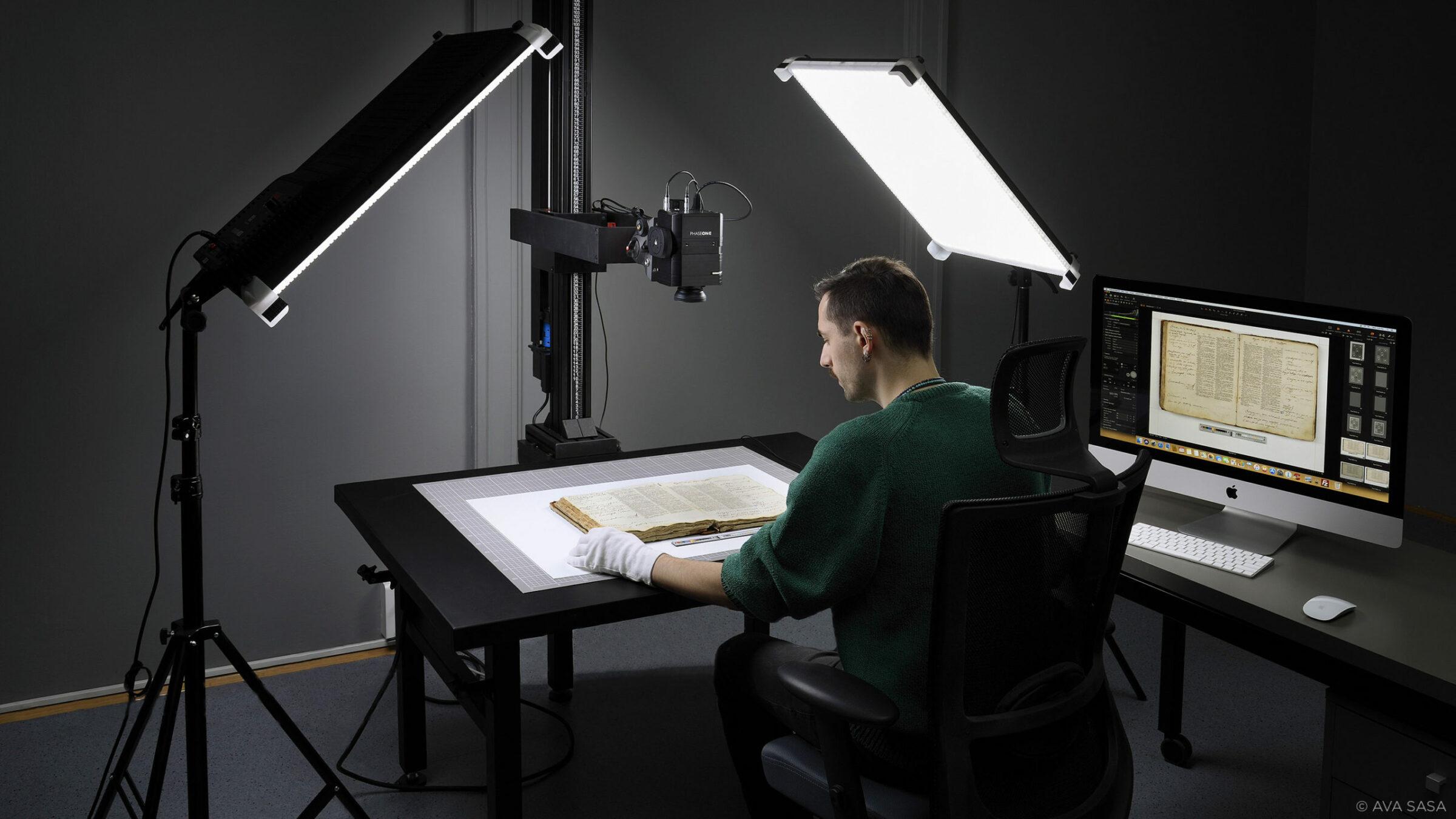
What are high-definition heritage scanners and how do they work?
Unlocking the Past: How High-Definition Heritage Scanners Are Revolutionizing the Preservation of Cultural Treasures
The preservation of cultural heritage is an essential task that bridges the gap between past and future generations. as time progresses, the vulnerabilities of artifacts increase, making the need for innovative solutions more pressing than ever. Enter high-definition heritage scanners—advanced technologies that are reshaping how we document, preserve, and share cultural treasures.
What are High-Definition Heritage Scanners?
High-definition heritage scanners are specialized imaging devices designed to capture intricate details of cultural artifacts with remarkable precision. these scanners utilize advanced imaging techniques, including laser scanning and photogrammetry, to create detailed digital replicas of objects like sculptures, manuscripts, and historical sites.
Types of high-Definition Heritage Scanners
- Laser Scanners: Capture 3D measurements using laser beams, ideal for architectural structures and sculptures.
- Digital Cameras: employ high-resolution photography coupled with software to create 3D models, suitable for smaller objects.
- CT Scanners: Use X-rays to provide cross-sectional images, perfect for artifacts needing internal examination.
Benefits of High-Definition heritage Scanners
The advantages of employing high-definition heritage scanners are numerous, making them a vital tool in cultural preservation:
- Enhanced Documentation: Provides a permanent, detailed record of artifacts, allowing for better study and understanding.
- accessibility: enables virtual tours and remote access, broadening audience engagement without the constraints of physical visits.
- restoration Techniques: Assists conservators in developing restoration plans by offering a clear understanding of the artifact’s condition.
- Data Storage: Digital replicas can be stored, replicated, and shared without risking damage to the original artifact.
Case Studies: Applications in Cultural Heritage Preservation
Across the globe, various institutions have successfully integrated high-definition heritage scanners into their preservation practices. Here are a few notable examples:
| Institution | Artifact | Scanning Technology Used | Outcome |
|---|---|---|---|
| The British Museum | Rosetta Stone | 3D Laser Scanning | Digitized for online access,enhancing educational resources. |
| The Louvre | Mona Lisa | ultrahigh-Resolution Photography | High-resolution prints for exhibitions without exposing the original. |
| Smithsonian Institution | oldest American flag | CT Scanning | Analysis of fabric and fibers for restoration projects. |
First-Hand Experience: Implementing Heritage Scanners
many cultural institutions share that the experience of implementing high-definition scanners has been transformative. As an example, the National Archives remarked on the enhanced study capabilities resulting from their digitization efforts, wich led to exciting community engagement through virtual exhibitions.
Additionally, professionals in the field have noted significant improvements in research and conservation techniques, citing how precise scans have facilitated the analysis of materials and techniques that were previously tough to assess.
Practical Tips for Utilizing High-Definition Heritage Scanners
if you are considering incorporating high-definition heritage scanners into your preservation efforts, here are some tips to get started:
- Assess Your Needs: Determine which artifacts or structures would benefit moast from scanning.
- Choose the Right Technology: Select the scanner type suitable for your specific needs and artifacts.
- Engage Experts: Collaborate with professionals experienced in scanning and conservation for optimal results.
- Prioritize Data Management: Develop a system for storing, organizing, and retrieving digital files efficiently.
The Future of Cultural Preservation with High-Definition Heritage Scanners
As technology continues to evolve,high-definition heritage scanners will undoubtedly play an even more significant role in cultural preservation. The advancements in AI and machine learning, combined with improved scanning technology, will lead to further enhancements in how we document and analyze heritage sites and artifacts.
Moreover, renewed interest in virtual reality and augmented reality means that digital replicas of cultural treasures can become interactive experiences, allowing audiences to engage with heritage in unprecedented ways.
Conclusion
High-definition heritage scanners are no longer just tools but essential allies in the pursuit of preserving our cultural treasures. By unlocking the past through detailed digital replication, these technologies enhance our understanding of history while promoting accessibility and engagement.Embracing these innovations will ensure that future generations can continue to learn from and enjoy the rich tapestry of human culture.


