

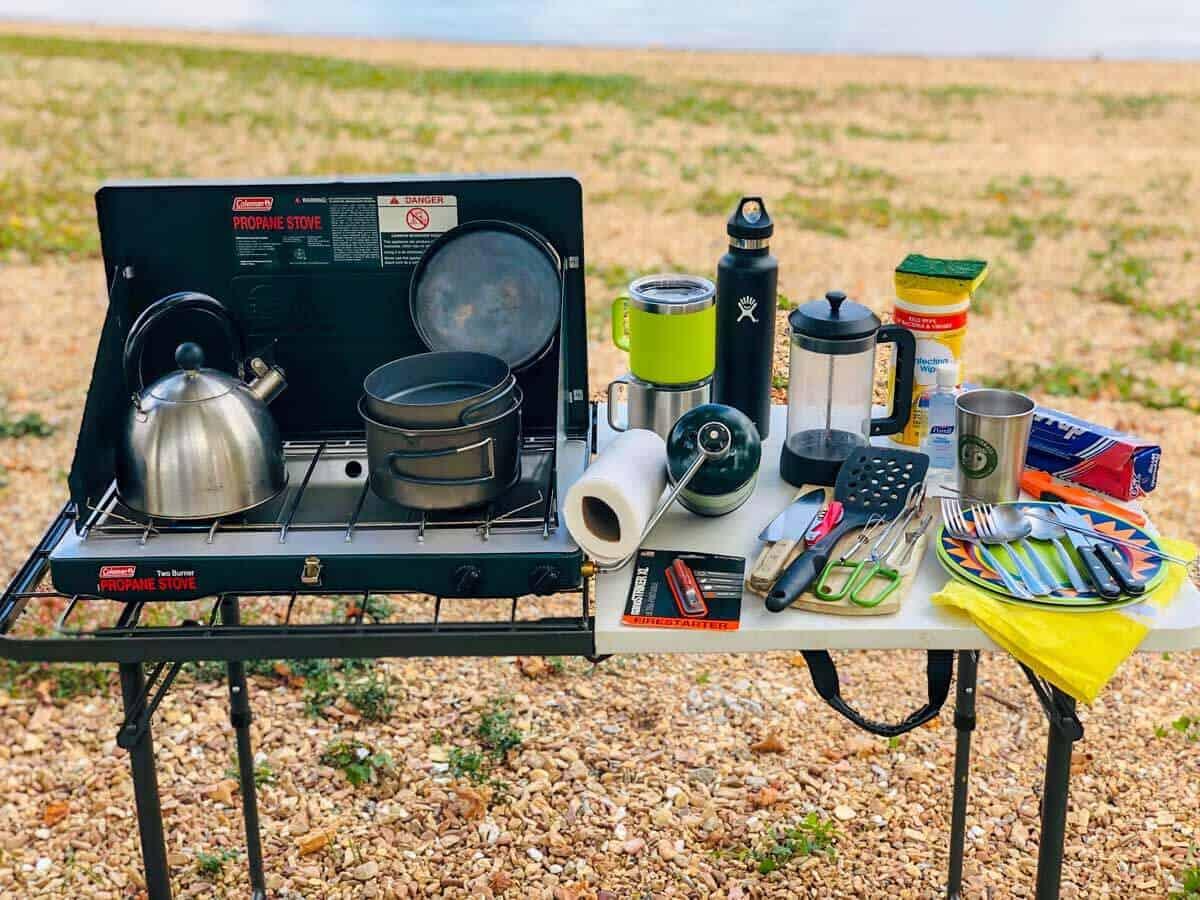
– What are the must-have items for a camping kitchen kit?
Ultimate Camping Kitchen Kit: Essential Gear for Culinary Adventures in the Great Outdoors
Camping is not just about sleeping under the stars; it’s about enjoying the great outdoors while savoring appetizing meals. Whether you are an experienced camper or a beginner, having the right camping kitchen kit can elevate yoru outdoor experience. In this complete guide, we will explore the essential gear you need to create culinary masterpieces while camping.
Why You Need a Well-Equipped Camping Kitchen Kit
A well-stocked camping kitchen kit enables you to prepare and enjoy meals that are both delicious and fulfilling. Here are some key benefits:
- Convenience: Having the right tools makes cooking easier and faster, especially after a long day of hiking.
- versatility: A good camping kitchen kit allows you to prepare a variety of meals, from breakfast to dinner.
- Enhanced Experience: Cooking outdoors can be a delightful experience, adding to the joy of camping.
Essential Gear for Your Camping Kitchen Kit
To help you get started, here’s a breakdown of the essential items you should pack in your camping kitchen kit:
1. Portable Cooking Equipment
Choose equipment that is compact, lightweight, and easy to use. Here are the must-haves:
- Camping Stove: Opt for a portable gas stove or a wood-burning stove. Popular models include:
| Model | Type | Weight | Price |
|---|---|---|---|
| Camp Chef Stryker 200 | Gas | 1.3 lbs | $70 |
| Solo Stove Lite | Wood-burning | 9 oz | $80 |
2. Cookware
Your campsite cookware should be durable and lightweight. Consider including:
- Pots and Pans: A multi-cook pot and a frying pan with a non-stick surface.
- Cooking Utensils: Spatula, tongs, and a serving spoon.
- Cutting Board: A foldable or lightweight cutting board is essential.
- Knife: A good camping knife for food planning.
3. Food Storage Solutions
Keeping your ingredients fresh and organized is crucial. Here’s what to pack:
- Cooler: A high-quality cooler will keep your perishables safe.
- Food Containers: Use BPA-free containers for grains, snacks, and pre-prepped meals.
- Ziplock Bags: Great for storing leftovers and snacks.
4. Tableware
don’t forget about the essentials for serving and eating:
- Plates and Bowls: Lightweight and unbreakable options are ideal.
- Cups/Mugs: Insulated mugs for hot beverages.
- Cutlery: A set of forks, spoons, and knives.
5.Cleaning Supplies
Cleanliness is key to enjoying your meals:
- Biodegradable Soap: For washing dishes without harming the environment.
- Sponges: A non-scratch sponge will do the job.
- Towels: Quick-drying towels for drying dishware.
Practical Tips for Your camping Kitchen Kit
Equipping yourself with the right gear is just part of the equation. Here are some practical tips to make the most of your camping kitchen:
- plan Your menu: Planning meals ahead of time can help you pack efficiently.
- Use Pre-Cooked Ingredients: Bringing along pre-cooked items can save time and effort.
- Keep It Simple: Choose recipes that require minimal preparation and cooking time.
- Practice Leave No Trace: Always clean up after cooking to minimize your impact on nature.
First-Hand Experience: Cooking in the wild
Imagine waking up to the fresh scent of coffee brewing over the campfire,the sun rising slowly above the trees. One of my most memorable camping moments was preparing a hearty breakfast with friends in the mountains. We set up our portable stove, cooked scrambled eggs with veggies, and enjoyed them under the sky. this experience not only filled our stomachs but also created lasting memories.
Case Study: successful Camping Meal Planning
how about a memorable case? A group of friends planned a three-day camping trip. Here’s how they effectively utilized their camping kitchen kit:
- day 1: Prepped ingredients for tacos. Cooked them over the portable stove, served with fresh toppings.
- Day 2: Made breakfast burritos with sausage, eggs, and cheese. Easy to heat up and eat on the go.
- Day 3: Simple sandwiches for lunch before heading home. Used remaining ingredients creatively.
This planning allowed them to minimize waste while maximizing flavor and satisfaction from each meal.
Conclusion
Embarking on culinary adventures in the great outdoors is truly rewarding. By assembling the ultimate camping kitchen kit, you’ll be better equipped to create delicious meals amidst nature.Remember, the right gear, a bit of planning, and respect for your environment will enhance your outdoor cooking experience. So pack your kit, get out ther, and enjoy the flavors of nature.


