

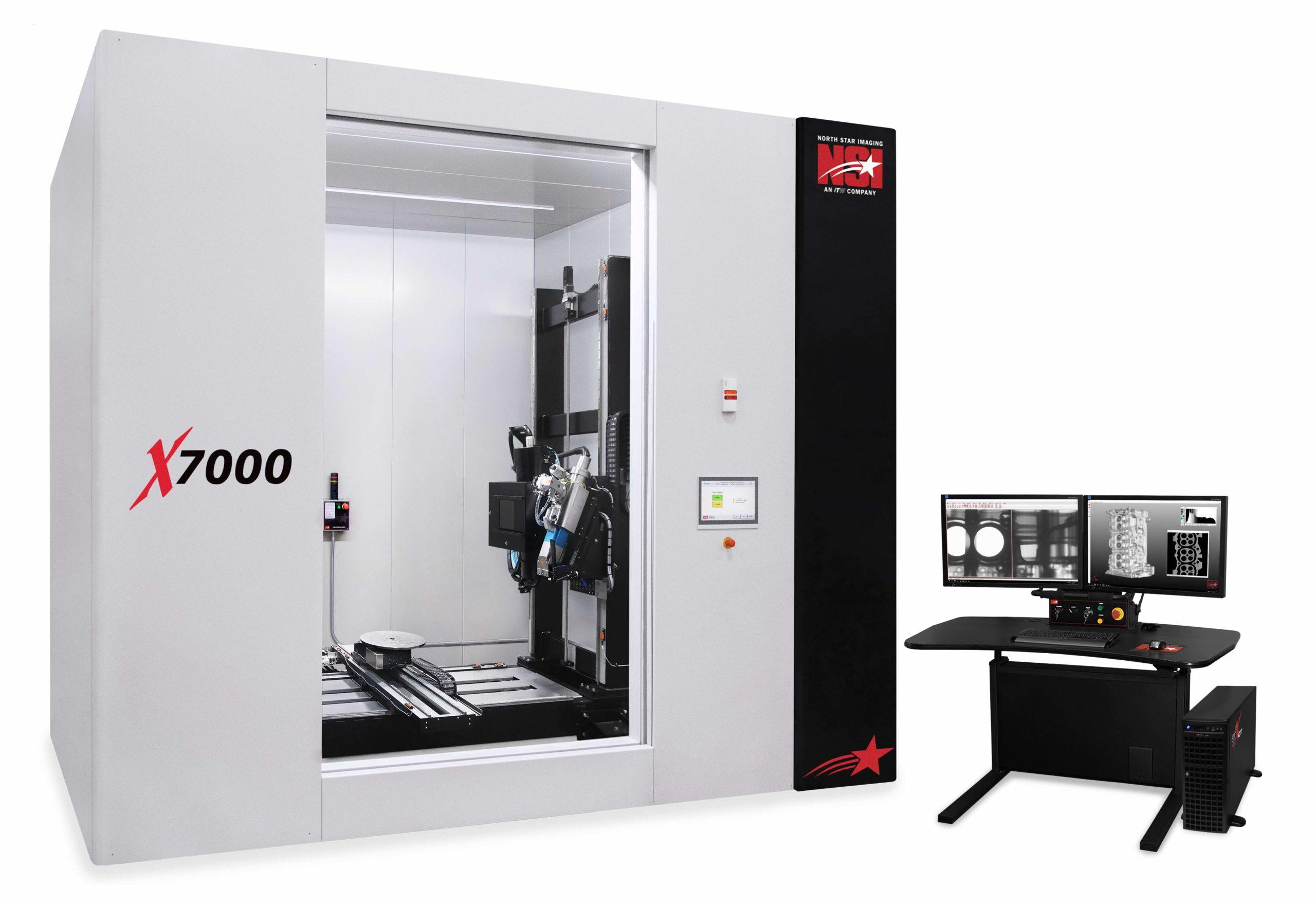
How do archival imaging technologies contribute to preserving historical documents?
Revolutionizing Preservation: Discover the Power of Advanced Archival Imaging Devices for Future generations
As we step further into the digital age, preserving our history has become more crucial than ever. Advanced archival imaging devices are at the forefront of this revolution, enabling the conversion and conservation of tangible items such as documents, photographs, and various media into digital formats. This article dives deep into the world of archival imaging, exploring its significance, benefits, and real-world applications to ensure that future generations can access and appreciate our shared heritage.
Understanding Archival Imaging
Archival imaging encompasses a range of technologies and practices aimed at capturing high-quality images of physical items to preserve their content. The modern devices used for archival purposes include:
- High-Resolution Scanners – Capture detailed images of documents and photographs.
- 3D Scanners – Preserve artifacts with intricate details.
- Multi-Spectral Imaging – Reveal hidden text or features in historical manuscripts.
- Infrared Photography – Capture beyond the visible spectrum for enhanced analysis.
Benefits of Advanced archival Imaging Devices
Investing in advanced archival imaging devices offers numerous advantages for libraries, museums, and individual collectors alike.Here are some of the key benefits:
1. Enhanced Preservation
Digital copies serve as backups for damaged or deteriorating originals, safeguarding valuable historical materials against loss or theft.
2. Increased Accessibility
Digitized materials can be easily shared online, allowing people worldwide to access and study these works without necessitating physical travel.
3. Advanced Research Capabilities
High-resolution imaging can provide previously unseen details about artifacts and documents, allowing researchers to uncover hidden histories and connections.
4. Cost-Effectiveness
While initial investment in advanced equipment can be high, the reduction in physical handling and the extended lifespan of digitized materials make it a cost-effective choice in the long run.
Practical Tips for Implementing Archival imaging Solutions
To make the most out of advanced archival imaging devices, consider the following practical tips:
- Choose the Right Equipment: Select the best imaging technology suited for your specific needs, whether for photographs, documents, or artifacts.
- Maintain a Controlled Surroundings: Preserve original materials in a stable environment to prevent damage during the imaging process.
- Implement Proper Metadata Standards: Ensure that all digitized items are properly cataloged with metadata to facilitate easy searching and retrieval.
- Regularly Update Your Tech: As technology evolves rapidly, stay updated on new imaging methods and advancements.
Case Studies: Success Stories in Archival Imaging
Let’s examine some notable examples where advanced archival imaging has made a significant impact:
| Organization | Project | Outcome |
|---|---|---|
| Library of Congress | Chronicling America | Digitized historical newspapers,improving access to primary resources. |
| bodleian Library,Oxford | Digital Bodleian | Preserved and made accessible rare manuscripts and early printed books. |
| Smithsonian Institution | Digital Footprint Project | Documented and digitized artifacts for public access and academic study. |
First-Hand Experience: Insights from Professionals
To provide an intimate glimpse into the world of archival imaging, we reached out to several professionals in the field. Here’s what they had to say:
“Advanced imaging technologies have transformed how we preserve materials. Using multi-spectral imaging, we’ve uncovered elements in manuscripts that were previously invisible. It’s like opening a new chapter of history!” – Dr. Sarah Collins, Archival Specialist
“Our transition to digital archiving not onyl safeguards our collection but also enhances public engagement.People from all over can explore artifacts that were onc confined to our physical space.” – Tom Richard, Museum Curator
The Future of Archival Imaging
As technology continues to evolve, so too will the methods we use for preservation. Future advancements may include:
- AI Integration: Utilizing artificial intelligence for automated cataloging and improved image analysis.
- Virtual Reality: Allowing users to interact with digital artifacts in immersive online environments.
- Blockchain for Provenance: Ensuring the authenticity of digital copies and tracking their history.
Conclusion
advanced archival imaging devices are truly revolutionizing the preservation of our cultural heritage. By providing enhanced preservation, improved accessibility, and cost-effective solutions to historical documentation, these innovative technologies hold the power to educate and enlighten future generations. As we embrace these advancements, it’s our collective duty to ensure that our shared history remains intact for those yet to come. Investing in advanced archival imaging not only safeguards our past but also enriches our understanding of the world. Join the movement towards preserving history with the power of technology!


