

What features should educators look for when choosing a smart interactive board?
Revolutionizing Learning: How Smart Interactive Boards Are Transforming Classrooms for the 21st Century
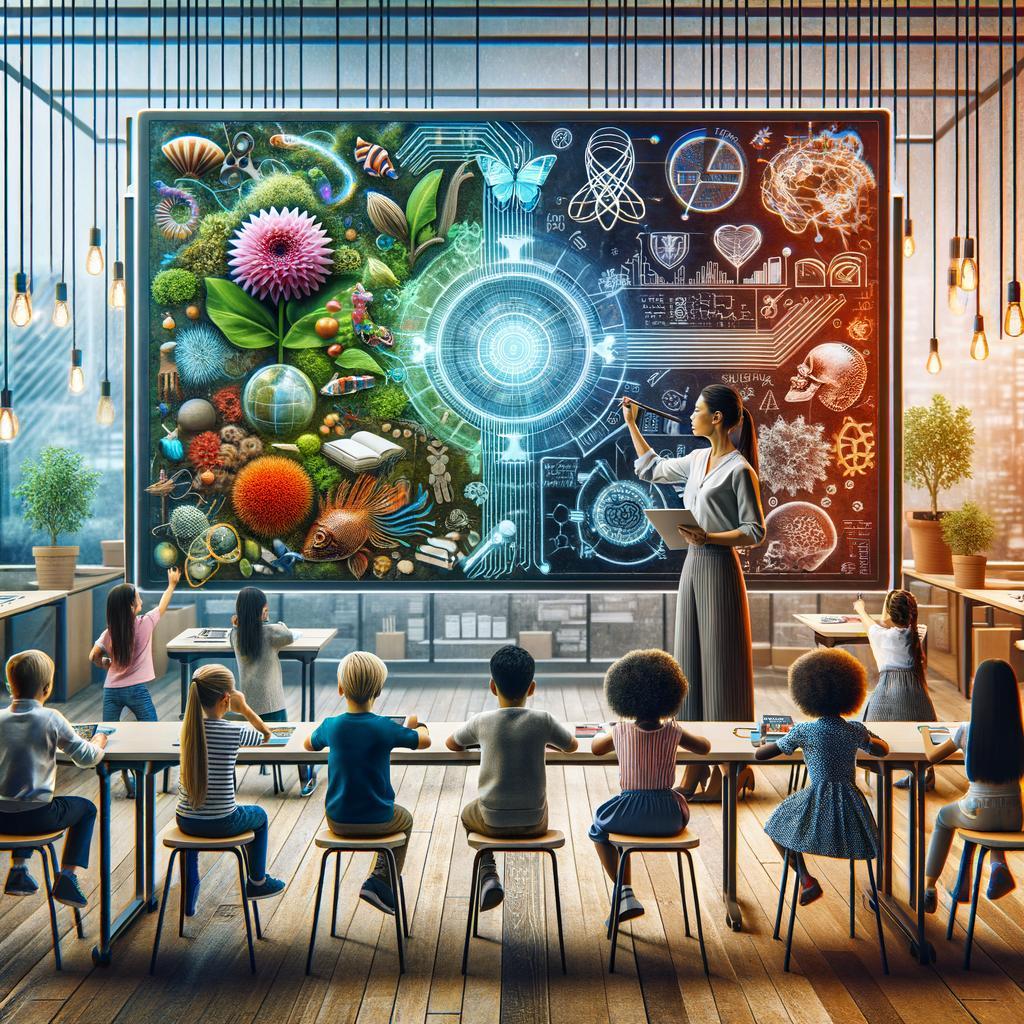
In the digital age, education is evolving at an unprecedented pace. One of the most transformative innovations in classrooms worldwide is the introduction of smart interactive boards. These high-tech tools are not merely replacements for traditional whiteboards; they are catalysts for a revolution in how students learn and teachers instruct. This article delves into the myriad ways smart interactive boards are reshaping education, enhancing engagement, and preparing students for the challenges of the 21st century.
Understanding Smart Interactive Boards
Smart interactive boards, also known as smart boards, are essentially large, touchscreen displays that allow for a broad array of interactive features, enabling teachers and students to engage more effectively in the learning process. They combine the functionality of a whiteboard with advanced technologies such as:
- Multi-touch capabilities
- Digital content integration
- Internet connectivity
- Dynamic software applications
- Real-time collaboration features
The Role of smart Interactive Boards in Modern Education
These innovative boards are becoming an essential component of modern classrooms for several reasons:
1. Enhanced Engagement
Smart interactive boards make learning more dynamic.Students actively participate in lessons through touch interactions, which fosters a sense of ownership over their learning experience.
2. Collaborative Learning
With multi-user capabilities, smart boards facilitate group work and peer collaboration. Students can work together on projects, brainstorm ideas, and share their thoughts in real-time.
3. Access to a Wealth of Resources
Teachers can pull in resources from the internet, videos, and educational software, enriching their lessons and making learning more relevant to students’ lives.
4. Catering to Diverse Learning Styles
Different students have different learning preferences.Interactive boards support visual, auditory, and kinesthetic learning styles, accommodating a wide range of students effectively.
Benefits of Smart Interactive Boards in the Classroom
Integrating smart interactive boards into classrooms brings numerous benefits:
| Benefit | Description |
|---|---|
| Increased Motivation | Interactive activities and gamified learning keep students interested. |
| Improved Retention | Interactive learning strengthens memory retention and understanding. |
| Immediate Feedback | Instant assessments provide teachers with feedback on student comprehension. |
| Reduced Environmental Impact | Less paper use leads to eco-friendlier classrooms. |
Practical Tips for Implementing smart Interactive Boards
To maximize the effectiveness of smart interactive boards in the classroom,consider the following practical tips:
- provide Training: Ensure that teachers receive proper training on how to use the technology effectively.
- Incorporate Varied Content: Use a diverse range of multimedia tools to keep students engaged.
- Encourage Student Interaction: foster an surroundings where students are encouraged to interact with the board.
- Set Learning Objectives: Clearly define the objectives of each lesson to guide your use of the board.
- Solicit Feedback: Regularly seek input from students about their experiences and preferences.
Case Studies: Triumphant Implementations
Numerous schools around the globe have embraced smart interactive boards with meaningful success:
Case Study 1: Maplewood High School
In Maplewood High,the integration of smart boards in science classes led to a remarkable 30% increase in student participation and engagement. By utilizing real-time simulations and interactive experiments, students were able to grasp complex concepts more readily.
Case Study 2: Sunshine Elementary
Sunshine Elementary adopted smart boards in all their classrooms, focusing on collaborative projects. Consequently, teachers reported a notable improvement in teamwork skills and a reduction in behavioral issues among students, fostering a more positive classroom culture.
First-Hand Experiences: Educators Share Their Insights
Many educators have reported transformative experiences after incorporating smart interactive boards into their teaching practices:
“The moment I started using the smart board, I noticed a change in my students. They became more inquisitive and eager to engage with the material. It truly has made a difference!” – Ms. Johnson,5th Grade Teacher
“Smart boards have allowed me to create lessons that are not only informative but also fun. My students love the interactive quizzes we do!” - Mr. Lee, High School Math Teacher
Conclusion: The Future of Education with Smart Interactive Boards
As we move further into the 21st century, the integration of smart interactive boards in classrooms heralds a new era of education. These powerful tools foster engagement, facilitate collaboration, and cater to diverse learning styles, providing an enriched educational experience for all students. As technology continues to evolve, so too will the methods we use to educate our future leaders. Investing in smart interactive boards isn’t just about upgrading technology; it’s about revolutionizing the learning process itself.
Are you ready to transform your classroom with smart interactive boards? Embrace the future of education today!