

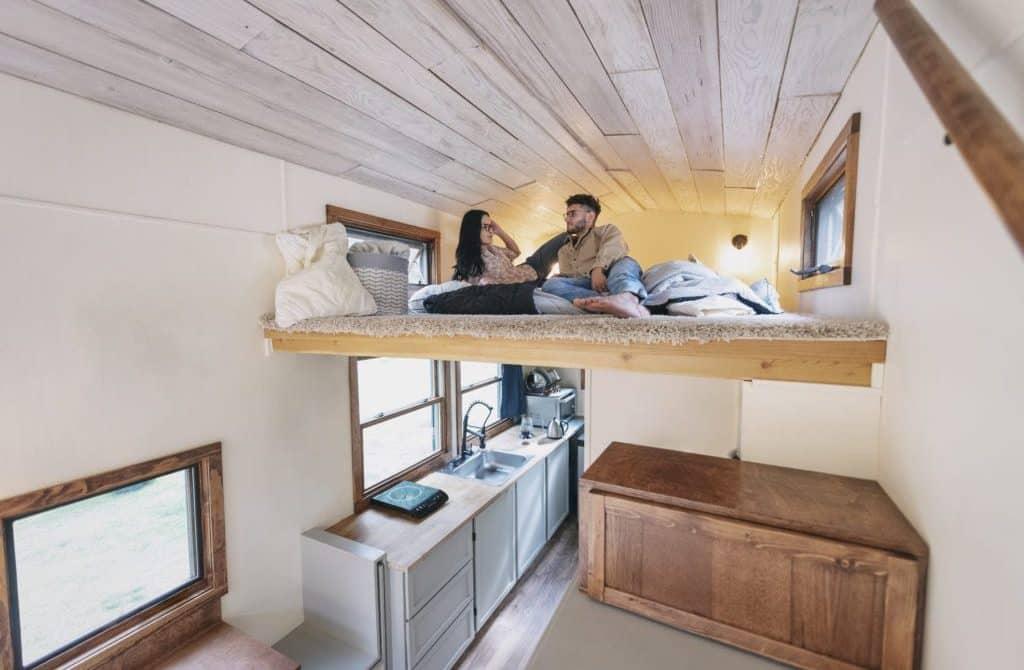
– What are the best battery powerpacks for tiny homes?
Empower Your Tiny home: The Ultimate Guide to Choosing the Best Battery Powerpacks for Enduring Living
As the tiny home movement gains momentum, the need for sustainable energy solutions is more critical than ever.Battery powerpacks serve as the backbone of off-grid living,providing essential energy for your appliances,lighting,and electronic devices. If you’re considering a tiny home or already live in one, this guide will help you understand how to choose the best battery powerpacks for sustainable living.
Understanding Battery Powerpacks
Battery powerpacks function as energy storage systems that store electricity for later use. These systems are essential for those who want to minimize their carbon footprint while maximizing their energy independence. Here are the main types of battery powerpacks available:
- Lithium-ion Batteries: Known for their high energy density, longer cycle life, and lightweight nature. Ideal for compact spaces.
- Lead-Acid Batteries: more affordable but heavier and less efficient than lithium-ion options. Suitable for basic energy needs.
- Gel Batteries: A type of lead-acid battery that is more durable and can withstand extreme temperatures.
Key Factors to Consider
When choosing the best battery powerpack for your tiny home,consider the following factors:
1. Capacity
The capacity of the battery, usually measured in amp-hours (ah), determines how much energy it can store.You’ll want a powerpack that can meet your daily energy needs.
2. Depth of Discharge (DoD)
DoD refers to how much energy can be safely used from the battery without damaging it. Higher DoD percentages allow for more usable energy.
3. Charge Cycles
Each battery has a limited number of charge cycles before its capacity diminishes. Lithium-ion batteries typically offer 2,000 to 5,000 cycles, while lead-acid batteries might only offer 200 to 1,000 cycles.
4. Weight and Size
Space in a tiny home is limited. Choose a lightweight and compact option that meets your energy needs without taking up excess room.
5. Power Output
Different appliances require different amounts of power. Assess your daily consumption to ensure your battery can support all your devices.
Benefits of Using Battery Powerpacks in Your Tiny Home
Utilizing battery powerpacks in your tiny home can lead to numerous advantages:
- energy Independence: Generate and store your electricity, reducing reliance on the grid.
- Sustainable Living: Use renewable energy sources like solar panels in conjunction wiht your battery system.
- Cost Savings: Reduced energy bills by utilizing stored energy during peak hours.
- Portable solutions: Many powerpacks are lightweight and can be moved to different locations easily.
Practical Tips for Integrating battery Powerpacks
To maximize the effectiveness of your chosen battery powerpack, consider these practical tips:
1. Implement a Solar Energy System
Pair your powerpack with solar panels for an efficient renewable energy solution. This combination can significantly increase your energy independence.
2. Monitor your Power Usage
Use a power monitor to keep track of your energy consumption.This will help you identify areas to cut back and optimize energy storage.
3. Invest in a Quality Inverter
A reliable inverter converts stored DC to AC power,enabling you to run standard household appliances efficiently.
Case Studies: Real-Life tiny Home Experiences with Battery Powerpacks
To illustrate the benefits and challenges of battery powerpacks, let’s look at a couple of case studies:
Case Study 1: The Johnson Family
The Johnsons, a family of four living in a 250-square-foot tiny home, chose a 5kWh lithium-ion battery powerpack paired with solar panels. They report that this setup meets their daily needs with minimal grid reliance, achieving sustainable living.
Case Study 2: Sarah’s Solo tiny Living
Sarah lives in a tiny home and selected a 1.5kWh lead-acid battery powerpack. Even though affordable,she frequently encounters limitations during peak usage times. This experience has prompted her to consider upgrading to a lithium-ion battery in the future.
Choosing the Right battery Powerpack: A Comparison Table
| Battery Type | Capacity (Ah) | Charge Cycles | Approximate Cost |
|---|---|---|---|
| Lithium-ion | 100-250 | 2000-5000 | $300-$700 |
| Lead-Acid | 100-200 | 200-1000 | $150-$300 |
| Gel | 100-150 | 1000-2000 | $250-$400 |
Final Thoughts
Selecting the right battery powerpack for your tiny home is crucial for achieving sustainable living. By understanding your energy needs, evaluating different battery types, and integrating renewable energy solutions, you can create a more efficient and eco-friendly lifestyle. Remember that investing in a quality powerpack can pay off in the long run,both in terms of cost savings and the overall impact on the habitat.
Ready to empower your tiny home? Start researching the best battery powerpacks today and step into a more sustainable future!


